What Property Managers Should Remove Before Listing a Unit
Post Date: 12/ 19 / 25
First impressions matter—especially in property management. Before a unit is photographed, listed, or shown to prospective tenants, it needs to feel clean, open, and move-in ready. Even small amounts of leftover clutter can make a unit feel neglected, smaller, or poorly maintained.
Whether you manage apartments, condos, or single-family rentals, knowing what to remove before listing a unit can significantly reduce vacancy time and improve applicant quality. Here’s a clear breakdown of what property managers should eliminate before putting a unit on the market.
1. Leftover Tenant Belongings
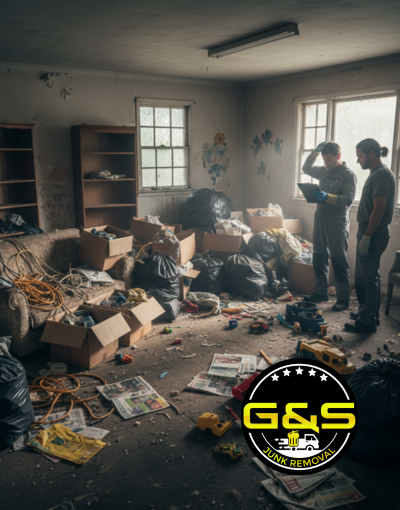
One of the most common issues after a move-out is abandoned property. Old furniture, mattresses, clothing, kitchen items, and random household goods are often left behind—especially during rushed or unplanned departures.
Leaving these items behind:
Makes the unit look cluttered and unprofessional
Delays cleaning and maintenance
Creates uncertainty for prospective tenants
All abandoned items should be removed promptly so the unit can be reset properly.
2. Broken or Outdated Furniture
Occasionally, units include furnishings—especially in furnished rentals or common areas. If furniture is damaged, worn, or outdated, it does more harm than good.
Items to remove include:
Broken beds or frames
Worn couches or chairs
Damaged tables or shelving
Prospective tenants often assume anything left behind is their responsibility. Removing unwanted furniture creates a clean slate and avoids confusion during showings.
3. Old Appliances and Fixtures
Non-functioning or replaced appliances should never stay in a unit once upgrades are completed. Old refrigerators, stoves, washers, dryers, or microwaves can make a property feel dated—even if newer ones are installed.
The same applies to:
Old light fixtures
Broken ceiling fans
Damaged bathroom vanities
Removing these items improves visual appeal and prevents safety or compliance concerns.
4. Construction and Renovation Debris
After repairs or renovations, debris often gets overlooked. Even small amounts can leave a negative impression.
Common debris includes:
Drywall scraps
Flooring materials
Wood, tile, or trim pieces
Empty paint cans and packaging
Before listing, units should be completely free of renovation waste so they appear finished and move-in ready.
5. Excess Storage Items
Many units have closets, garages, patios, or storage rooms that collect leftover items from previous tenants or maintenance teams.
These might include:
Old shelving
Buckets, tools, or supplies
Miscellaneous boxes
Storage spaces are a selling point—cluttered storage sends the opposite message. Clearing these areas helps showcase usable space.
6. Outdoor Junk and Curbside Items
Exterior appearance is just as important as interior condition. Junk left outside can discourage prospective tenants before they even step inside.
Remove items such as:
Broken patio furniture
Old grills
Planters filled with debris
Bulk trash or curbside items
A clean exterior improves curb appeal and reflects better property management standards.
7. Odor-Causing Items
Some items don’t look problematic but create lingering odors. Old carpets, pet-related items, damaged furniture, or trash can impact how a unit smells—even after cleaning.
Removing these items before deep cleaning helps eliminate odors and prevents negative reactions during showings.
8. Items That Create Liability
Anything that poses a safety risk should be removed immediately.
This includes:
Sharp or broken objects
Heavy items stored improperly
Damaged fixtures
Electrical or mechanical debris
A clutter-free unit reduces the risk of injury during showings and maintenance work.
Why Removing Junk Speeds Up Leasing
A clean, empty unit photographs better, shows better, and rents faster. Prospective tenants want to imagine themselves in the space—not work around someone else’s leftovers.
Removing unnecessary items before listing helps:
Reduce days on market
Attract higher-quality tenants
Improve perceived property value
Simplify inspections and showings
For property managers handling multiple units, efficiency matters. Delays caused by leftover junk can compound quickly across properties.
How G&S Junk Removal Supports Property Managers
G&S Junk Removal works with property managers to simplify the turnover process. Whether it’s a single apartment or multiple units, their team handles full cleanouts quickly and professionally.
Property managers rely on G&S Junk Removal for:
Fast removal of abandoned tenant items
Bulk furniture and appliance removal
Renovation and maintenance debris cleanup
Flexible scheduling to meet turnover timelines
By outsourcing junk removal, property managers can focus on leasing, maintenance coordination, and tenant relations—without worrying about hauling or disposal.
Final Thoughts
Before listing a unit, removing junk isn’t optional—it’s essential. Every unnecessary item left behind slows the leasing process and impacts how the property is perceived.
A clean, empty unit creates opportunity. With professional junk removal support, property managers can streamline turnovers, reduce stress, and get units market-ready faster.
If you’re preparing a unit for listing, removing the clutter is the first step toward securing the next tenant.