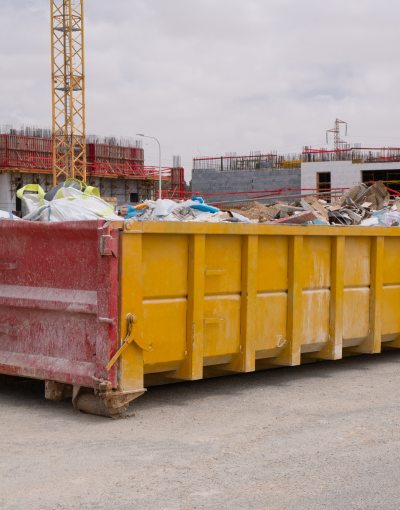
Construction projects, whether residential renovations or large-scale commercial builds, generate a significant amount of debris. From broken concrete and lumber scraps to drywall, roofing, and packaging, construction waste piles up quickly. But here’s the catch: in Los Angeles County, you can’t just toss this waste in the nearest dumpster or landfill. Strict local and state regulations govern how construction waste must be handled, recycled, and disposed of.
If you’re a contractor, homeowner, or property manager in Pasadena, Altadena, San Gabriel Valley, or across LA County, understanding these rules is essential. Failing to follow legal disposal requirements can result in fines, project delays, or even liability issues. This guide will walk you through how to handle construction waste legally in Los Angeles County—while keeping your site clean and efficient.
Why Construction Waste Disposal Is Regulated
The construction industry produces millions of tons of waste annually, much of which can harm the environment if not properly managed. Common materials like drywall, treated wood, paint, and roofing shingles contain chemicals or additives that can contaminate soil and water. Additionally, California has aggressive recycling mandates to reduce landfill use.
Los Angeles County enforces these laws through waste diversion programs, which require certain percentages of construction debris to be recycled. Contractors and businesses must show proof of responsible disposal to comply with building permits and inspections.
In short: proper disposal isn’t just good practice—it’s the law.
Types of Construction Waste That Require Careful Disposal
Before figuring out what to do with construction waste, it’s important to know what materials you’re dealing with. Common categories include:
Concrete, brick, and asphalt – Heavy debris that can often be recycled for road base or new concrete.
Wood (treated or untreated) – Untreated wood can be recycled, while treated wood requires special disposal due to chemicals.
Drywall – Can be recycled in some facilities, but must be handled properly to avoid air contamination.
Metals (steel, copper, aluminum) – Highly recyclable and valuable scrap materials.
Roofing materials (shingles, tar, membranes) – Often need to be processed separately due to asphalt content.
Hazardous materials (paint, solvents, adhesives) – Require certified hazardous waste disposal.
Packaging (plastics, cardboard, insulation wrap) – Should be sorted for recycling to comply with county diversion goals.
Sorting and separating these categories not only ensures compliance but also reduces overall disposal costs.
Legal Requirements in Los Angeles County
Handling construction waste legally in Los Angeles County means following both state and local guidelines. Here are the key rules to know:
1. Waste Diversion Requirements
Los Angeles County requires contractors to divert at least 65% of construction and demolition (C&D) waste from landfills. This means recycling or reusing materials whenever possible.
2. Proof of Recycling/Disposal
Contractors must provide weight tickets or receipts from approved facilities to show that debris was properly processed. This documentation is often needed before a project’s final inspection.
3. Hazardous Waste Rules
Hazardous materials like asbestos, lead paint, or chemical containers must be handled by certified hazardous waste facilities. Improper disposal can result in serious fines.
4. Illegal Dumping Penalties
Dumping construction debris in unauthorized areas (like alleys, vacant lots, or storm drains) is strictly illegal. Fines in Los Angeles County can reach thousands of dollars per violation, along with cleanup costs.
How to Legally Handle Construction Waste Step by Step
Here’s a step-by-step guide to staying compliant:
Step 1: Plan Ahead
Before your project begins, research disposal requirements and budget for debris removal. Partner with a junk removal company that understands Los Angeles County C&D regulations.
Step 2: Sort Materials on Site
Separate recyclables like metal, concrete, and cardboard from hazardous or landfill-bound materials. This helps maximize recycling rates and keeps you compliant.
Step 3: Use Approved Facilities
Take debris to county-approved recycling centers, transfer stations, or landfills that accept C&D waste. Avoid unlicensed haulers who may dump illegally.
Step 4: Schedule Professional Junk Removal
Hiring professionals like G&S Junk Removal ensures your waste is hauled, sorted, and disposed of legally. We provide receipts and documentation for your records.
Step 5: Maintain Records
Keep all weight tickets, receipts, and recycling reports until your project is finalized. Many cities in Los Angeles County require proof for permit closeout.
Why Professional Junk Removal Is the Smart Choice
While some contractors try to handle debris removal on their own, using a professional service like G&S Junk Removal offers major benefits:
Compliance assurance – We know the laws and ensure waste is handled properly.
Time savings – Crews can focus on construction while we manage cleanup.
Safety – Heavy debris and sharp materials can cause injuries if mishandled.
Eco-friendly disposal – We prioritize recycling and reusing materials.
Documentation provided – We supply receipts and records for your permits.
Service Areas: Los Angeles County, Pasadena, Altadena & Beyond
At G&S Junk Removal, we specialize in construction waste removal Los Angeles County, including legal debris disposal Pasadena, construction junk pickup in Altadena, and job site debris hauling across the San Gabriel Valley. Whether you’re managing a major commercial build or a small home renovation, our team has the equipment and expertise to keep your site compliant, clean, and safe.
Conclusion
Construction waste may seem like just another byproduct of the building process, but in Los Angeles County, it’s a regulated responsibility. By following the law, sorting debris properly, and working with a professional removal service, you can keep your project moving forward without the risk of fines or delays.
If you’re a contractor, homeowner, or property manager in need of eco-friendly construction cleanup in LA, trust G&S Junk Removal. We’ll handle the hauling, recycling, and legal disposal—so you can focus on building.